
Quick Answer
Wired headphones avoid Bluetooth compression, battery wear, and wireless compatibility issues. Wireless headphones add mobility, microphones, controls, and active noise cancelling. Neither connection type guarantees better sound: headphone tuning, fit, source quality, codec support, and listening environment can matter more than the cable.
Research Basis and Limitations
This refresh compares manufacturer specifications, manuals, connection requirements, support documentation, and buyer-use constraints. GearLab did not perform a controlled listening test or laboratory measurement for this update. Sound, comfort, fit, room behavior, and wireless stability remain user- and setup-dependent, so the recommendations below are decision guidance rather than claims of personal ownership or testing.
Evaluation Method
We compared official product pages, connection requirements, manufacturer support information, practical setup constraints, and explicit tradeoffs. Legacy editorial scores, retailer-review averages, and unsourced listening descriptions are excluded from this recovery draft.
Documented Options
The following official pages establish the model identity and the information that should be checked before purchase. Their inclusion is not a GearLab ranking:
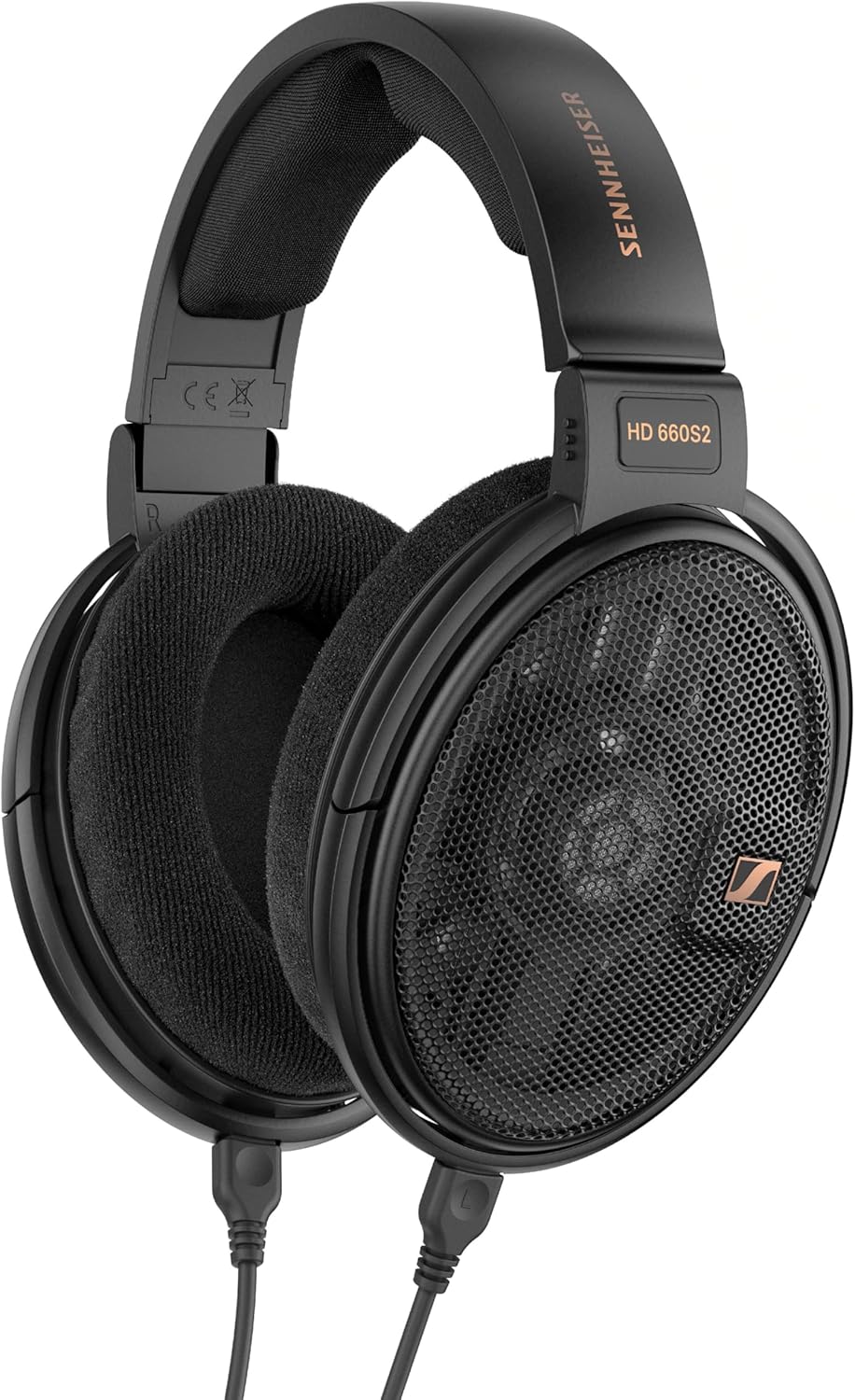
- Sennheiser HD 660S2 product information
- Beyerdynamic DT 900 PRO X product information
- Focal Bathys product information
Drawbacks
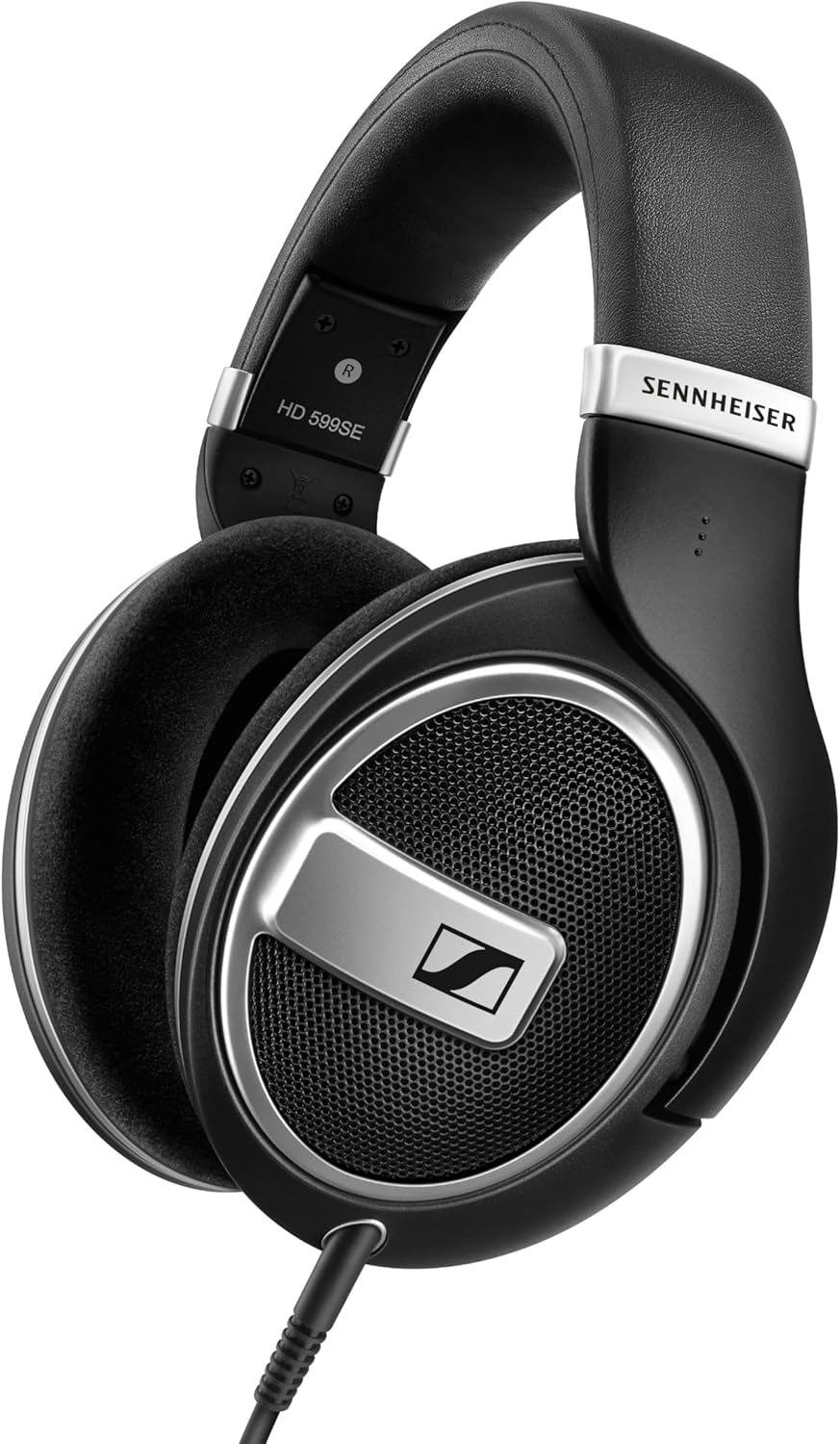
This existing product image is retained as a visual identification reference. It does not establish sound quality, measured performance, current availability, included accessories, or comparative rank. Verify the exact model and current package contents on the official source page.
Drawbacks
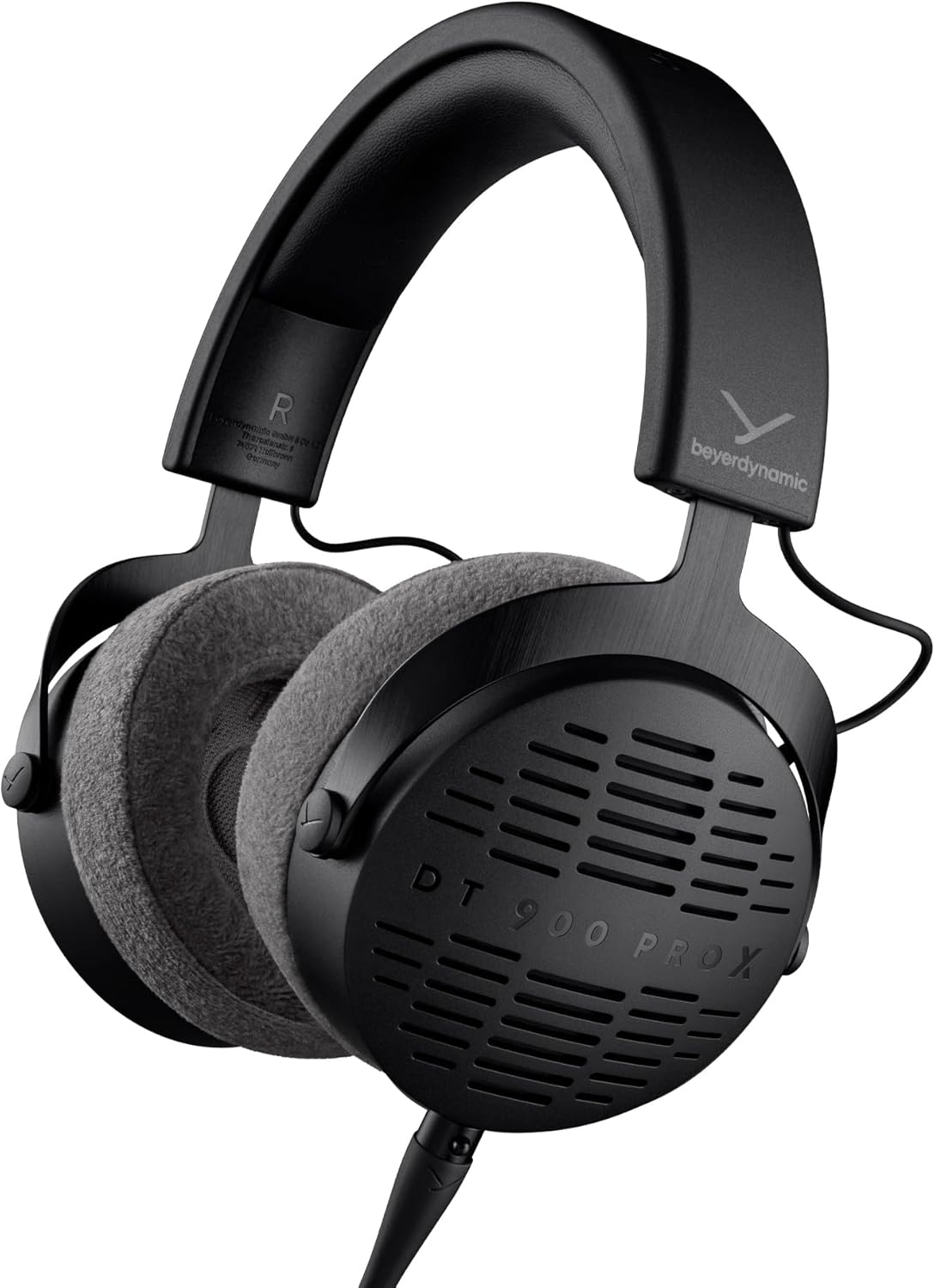
This existing product image is retained as a visual identification reference. It does not establish sound quality, measured performance, current availability, included accessories, or comparative rank. Verify the exact model and current package contents on the official source page.
Drawbacks
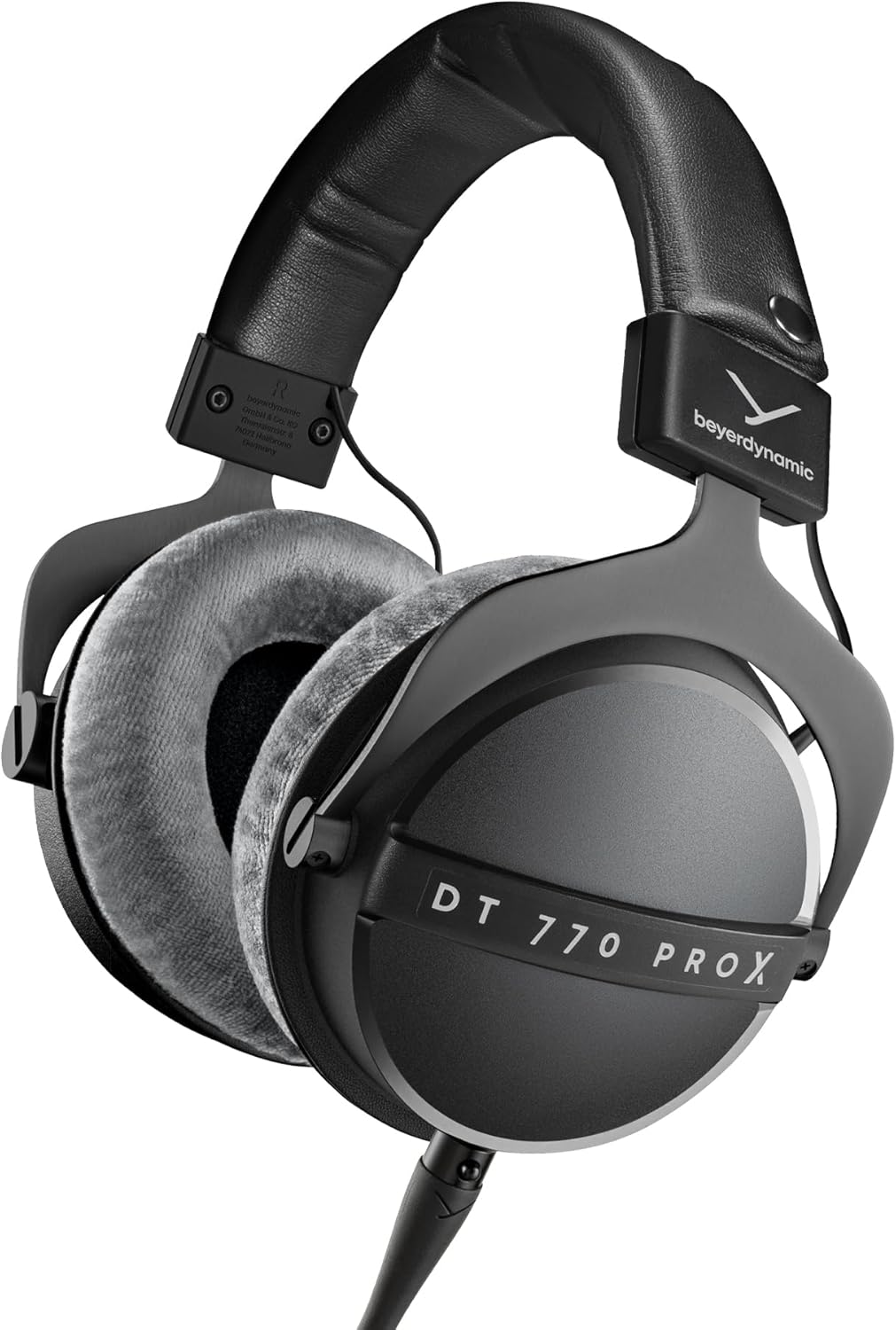
This existing product image is retained as a visual identification reference. It does not establish sound quality, measured performance, current availability, included accessories, or comparative rank. Verify the exact model and current package contents on the official source page.
Topic-Specific Verification
For headphones, verify open or closed construction, wired and wireless modes, connector type, replaceable parts, microphone support, controls, charging requirements, codec support, and passive operation. A published impedance or battery specification does not establish comfort or sound quality for a particular listener.
Fit, seal, eyeglasses, hair, ear-pad material, room noise, and listening level can change the result. Open-back models generally trade isolation for an open acoustic design and are a poor fit near coworkers or microphones. Wireless models add mobility and active features but introduce batteries, software, and device-compatibility questions.
Buyer Verification Checklist
Confirm the exact model
Match the full model name and revision on the product page, packaging, and seller listing. Similar names can refer to different generations, regional versions, included accessories, or connection sets. The official pages used for this refresh are: Sennheiser HD 660S2 product information, Beyerdynamic DT 900 PRO X product information, Focal Bathys product information.
Check compatibility before performance claims
List the required source, cable, output, operating system, room position, and control method. Then remove any option that cannot satisfy those requirements. This prevents a high feature count from hiding a missing input, unsupported codec, unsuitable physical size, or required companion app.
Treat specifications as boundaries
Manufacturer specifications can confirm a connector, supported mode, physical dimension, or included accessory. They do not prove comparative sound quality, comfort, long-term durability, room behavior, or call quality for every user. Those outcomes require controlled evidence that is not claimed in this draft.
Check current availability and support
Verify that the exact model remains sold and supported in the buyer’s region. Review the current warranty, return window, replacement-part availability, firmware or app requirements, and seller identity. A discounted older model can still be reasonable, but only when missing support and accessories are understood before purchase.
Use a reversible first setup
Keep packaging and accessories until compatibility is confirmed. Start with default settings, one known source, moderate volume, and the shortest practical signal path. Change one setting at a time and document it. If a problem appears, this makes it easier to distinguish a cable, source, format, pairing, placement, or product issue.
Decide by tradeoff, not by a score
The useful comparison is the drawback that affects the intended setup. A larger device may add connections but consume desk space. A wireless option may improve mobility but add charging and pairing. A specialized design may suit one room while being inconvenient elsewhere. This recovery draft intentionally omits GearLab ratings because no controlled comparative test supports them.
Decision Tradeoffs
Strengths to verify
A useful strength is a documented feature that solves a stated requirement: the correct input, a suitable physical format, an included accessory, a supported operating mode, or a service policy that reduces purchase risk. Confirm it on the exact regional model page rather than relying on a similar product name or an old retailer description.
Drawbacks to verify
Check missing inputs, required apps or accounts, non-replaceable batteries or parts, limited passive operation, proprietary cables, physical clearance, and support status. Subjective sound, comfort, isolation, call quality, and room behavior are not scored here because this recovery did not include controlled comparative testing.
Related Audio Decisions
A wired connection is only useful when the rest of the setup fits the listener. Check whether a budget DAC/amp is actually necessary before adding another box. Shared-space listeners should compare closed-back and open-back headphones for office work, while recording users should begin with the budget headphones for music production guide.
Use-Case Evaluation
Wired headphones avoid Bluetooth codec negotiation, battery aging, and radio interference. Wireless headphones add mobility, microphones, controls, and active noise cancelling, which may matter more during commuting or office use. Sound quality is not determined by the cable alone: headphone tuning, fit, source material, volume matching, and the wireless implementation can outweigh the connection type.
FAQ
Can most listeners hear the difference between wired and Bluetooth headphones?
It depends on the headphones, codec, recording, environment, and listening level. In a noisy commute, isolation and noise cancelling may matter more than codec differences.
Does low battery change wireless headphone playback?
A low battery may disable features or end playback, but it does not create one universal sound change across every model. Check the manufacturer’s behavior for wired passive mode and low-battery operation.
Is a headphone cable enough for lossless music?
The source, digital-to-analog conversion, amplifier, and headphone still matter. A cable removes the Bluetooth link, but it does not guarantee that every device in the chain supports the same lossless format.
Which is better for office calls and music?
Wireless is usually more convenient for movement and calls. Wired headphones are better when charging, microphone quality, software compatibility, or long-term battery wear would be a problem.
Sources and Verification
- Sennheiser HD 660S2 product information
- Beyerdynamic DT 900 PRO X product information
- Focal Bathys product information
Specifications and availability can change. Check the linked manufacturer page and the seller’s current return and warranty terms before buying.
Final Verdict
Choose the option that satisfies the documented connection, fit, support, and use-case requirements with acceptable drawbacks. Do not use the former editorial scores or unsupported listening claims as evidence. Recheck the official product page, current availability, and return terms immediately before purchase.