
Quick Answer
Choose a soundbar when television dialogue, remote control integration, and a fixed listening position matter most. Choose a Bluetooth speaker when portability and music in several rooms matter more than television lip sync. In a small apartment, placement and bass control are more important for neighbors than the product category alone.
Research Basis and Limitations
This refresh compares manufacturer specifications, manuals, connection requirements, support documentation, and buyer-use constraints. GearLab did not perform a controlled listening test or laboratory measurement for this update. Sound, comfort, fit, room behavior, and wireless stability remain user- and setup-dependent, so the recommendations below are decision guidance rather than claims of personal ownership or testing.
Evaluation Method
We compared official product pages, connection requirements, manufacturer support information, practical setup constraints, and explicit tradeoffs. Legacy editorial scores, retailer-review averages, and unsourced listening descriptions are excluded from this recovery draft.
Documented Options
The following official pages establish the model identity and the information that should be checked before purchase. Their inclusion is not a GearLab ranking:
- Sonos Beam Gen 2 specifications
- Bose Smart Soundbar 600 product introduction
- JBL Charge 5 support and product information
Option: bose smart soundbar 600
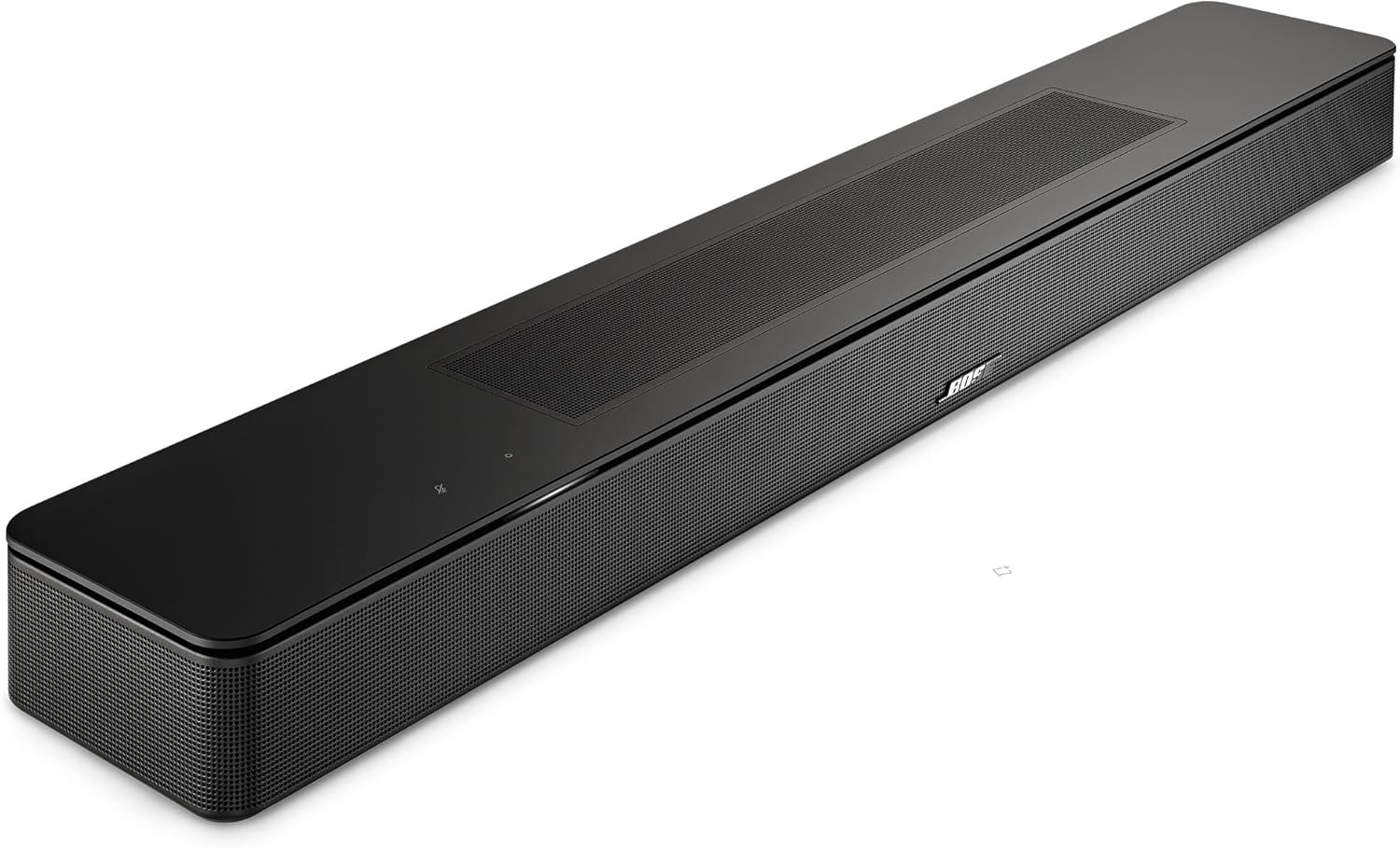
This existing product image is retained as a visual identification reference. It does not establish sound quality, measured performance, current availability, included accessories, or comparative rank. Verify the exact model and current package contents on the official source page.
Option: jbl charge 5

This existing product image is retained as a visual identification reference. It does not establish sound quality, measured performance, current availability, included accessories, or comparative rank. Verify the exact model and current package contents on the official source page.
Topic-Specific Verification
For room audio, confirm the television or source output before comparing products. HDMI ARC or eARC, optical, analog input, Bluetooth, Wi-Fi, remote control behavior, and supported audio formats affect daily usability. A feature printed on the box does not guarantee that an older television can send the matching format.
Measure cabinet width, screen clearance, shelf depth, power-outlet access, and subwoofer floor space. Bass behavior and dialogue intelligibility depend on placement, room surfaces, listening level, and source mix, so this draft does not assign a listening score. In apartments, distance from shared walls and bass adjustment may matter more than maximum output.
Buyer Verification Checklist
Confirm the exact model
Match the full model name and revision on the product page, packaging, and seller listing. Similar names can refer to different generations, regional versions, included accessories, or connection sets. The official pages used for this refresh are: Sonos Beam Gen 2 specifications, Bose Smart Soundbar 600 product introduction, JBL Charge 5 support and product information.
Check compatibility before performance claims
List the required source, cable, output, operating system, room position, and control method. Then remove any option that cannot satisfy those requirements. This prevents a high feature count from hiding a missing input, unsupported codec, unsuitable physical size, or required companion app.
Treat specifications as boundaries
Manufacturer specifications can confirm a connector, supported mode, physical dimension, or included accessory. They do not prove comparative sound quality, comfort, long-term durability, room behavior, or call quality for every user. Those outcomes require controlled evidence that is not claimed in this draft.
Check current availability and support
Verify that the exact model remains sold and supported in the buyer’s region. Review the current warranty, return window, replacement-part availability, firmware or app requirements, and seller identity. A discounted older model can still be reasonable, but only when missing support and accessories are understood before purchase.
Use a reversible first setup
Keep packaging and accessories until compatibility is confirmed. Start with default settings, one known source, moderate volume, and the shortest practical signal path. Change one setting at a time and document it. If a problem appears, this makes it easier to distinguish a cable, source, format, pairing, placement, or product issue.
Decide by tradeoff, not by a score
The useful comparison is the drawback that affects the intended setup. A larger device may add connections but consume desk space. A wireless option may improve mobility but add charging and pairing. A specialized design may suit one room while being inconvenient elsewhere. This recovery draft intentionally omits GearLab ratings because no controlled comparative test supports them.
Decision Tradeoffs
Strengths to verify
A useful strength is a documented feature that solves a stated requirement: the correct input, a suitable physical format, an included accessory, a supported operating mode, or a service policy that reduces purchase risk. Confirm it on the exact regional model page rather than relying on a similar product name or an old retailer description.
Drawbacks to verify
Check missing inputs, required apps or accounts, non-replaceable batteries or parts, limited passive operation, proprietary cables, physical clearance, and support status. Subjective sound, comfort, isolation, call quality, and room behavior are not scored here because this recovery did not include controlled comparative testing.
Related Audio Decisions
If television dialogue is the main problem, start with the dedicated budget soundbar guide for a small TV room rather than paying for portability. Renters who need private listening can instead connect Bluetooth headphones to a TV without built-in Bluetooth. For outdoor use, water resistance and battery behavior matter more than TV connectivity, as explained in our waterproof Bluetooth speaker comparison.
Use-Case Evaluation
A soundbar is the more predictable choice for daily TV dialogue because it stays connected and faces the seating position. A portable speaker is easier to move between a kitchen, balcony, bedroom, and park, but Bluetooth latency and volume control can be inconsistent with televisions. In an apartment, neighbor disturbance depends more on placement, bass level, and listening volume than on the product category alone.
FAQ
Will a soundbar bother apartment neighbors more than a Bluetooth speaker?
Not automatically. Deep bass, wall contact, placement near a shared wall, and listening volume are the larger factors. Night mode, reduced bass, and isolation pads can matter more than the label on the speaker.
Can I use a Bluetooth speaker as my TV speaker every day?
Only if the TV supports stable Bluetooth audio and the delay is acceptable. Reconnection, lip-sync delay, and separate volume controls make it less convenient than HDMI ARC or optical soundbar connections.
Is a subwoofer necessary in a small apartment?
No. A compact all-in-one soundbar is often easier to place and less likely to transmit strong bass through floors and walls. Add a subwoofer only when the room and neighbor situation can support it.
Which option is easier for a renter to move?
A Bluetooth speaker. It needs less cable routing and can serve several rooms, but it gives up the fixed TV integration and clearer center-focused dialogue that a soundbar can provide.
Sources and Verification
- Sonos Beam Gen 2 specifications
- Bose Smart Soundbar 600 product introduction
- JBL Charge 5 support and product information
Specifications and availability can change. Check the linked manufacturer page and the seller’s current return and warranty terms before buying.
Final Verdict
Choose the option that satisfies the documented connection, fit, support, and use-case requirements with acceptable drawbacks. Do not use the former editorial scores or unsupported listening claims as evidence. Recheck the official product page, current availability, and return terms immediately before purchase.