
Quick Answer: The best smart thermostat for saving money for most homes in 2026 is the ecobee Smart Thermostat Premium Check price because it combines scheduling, occupancy sensing, remote sensor support, and useful HVAC alerts in one mature platform. The Google Nest Learning Thermostat 4th Gen Check price is the better pick if you want a thermostat that learns your routine with less manual setup, while the Honeywell Home T9 Smart Thermostat Check price is the practical value pick for homes that need room-sensor control without chasing the flashiest design.
Smart thermostats can save money, but only when they fit your home and your habits. The thermostat itself does not magically lower a bill. The savings usually come from better schedules, fewer wasted heating and cooling hours, smarter away modes, room sensors, and catching HVAC problems earlier. If your old thermostat is already programmed well, the savings may be smaller. If your current thermostat is never adjusted, a smart model can make a bigger difference.
For this GearLab guide, we focused on real buyable smart thermostats that make sense for U.S. homes, support app control, and offer practical energy-saving features. We avoided hard price claims because rebates, utility discounts, and sale pricing change constantly. Check current price and local utility rebates before buying.
Table of Contents
What We Looked For
For saving money, the best smart thermostat should help you use less energy without making the house uncomfortable. We gave the most weight to:
- Reliable scheduling and away detection
- Remote sensor support for problem rooms
- Clear app controls
- HVAC runtime and alert features
- Compatibility guidance before install
- C-wire or power-adapter clarity
- Utility rebate potential
- Price that makes sense after discounts
The most important pre-purchase step is compatibility. Before choosing a thermostat, check your wiring, HVAC type, and whether your system needs a C-wire or adapter.
Best Overall: ecobee Smart Thermostat Premium
Best Overall ecobee Smart Thermostat Premium
Use-Case Evaluation: Best for homes where one hallway thermostat does not represent the whole house, especially if bedrooms, offices, or upstairs rooms run hotter or colder than the main living area.
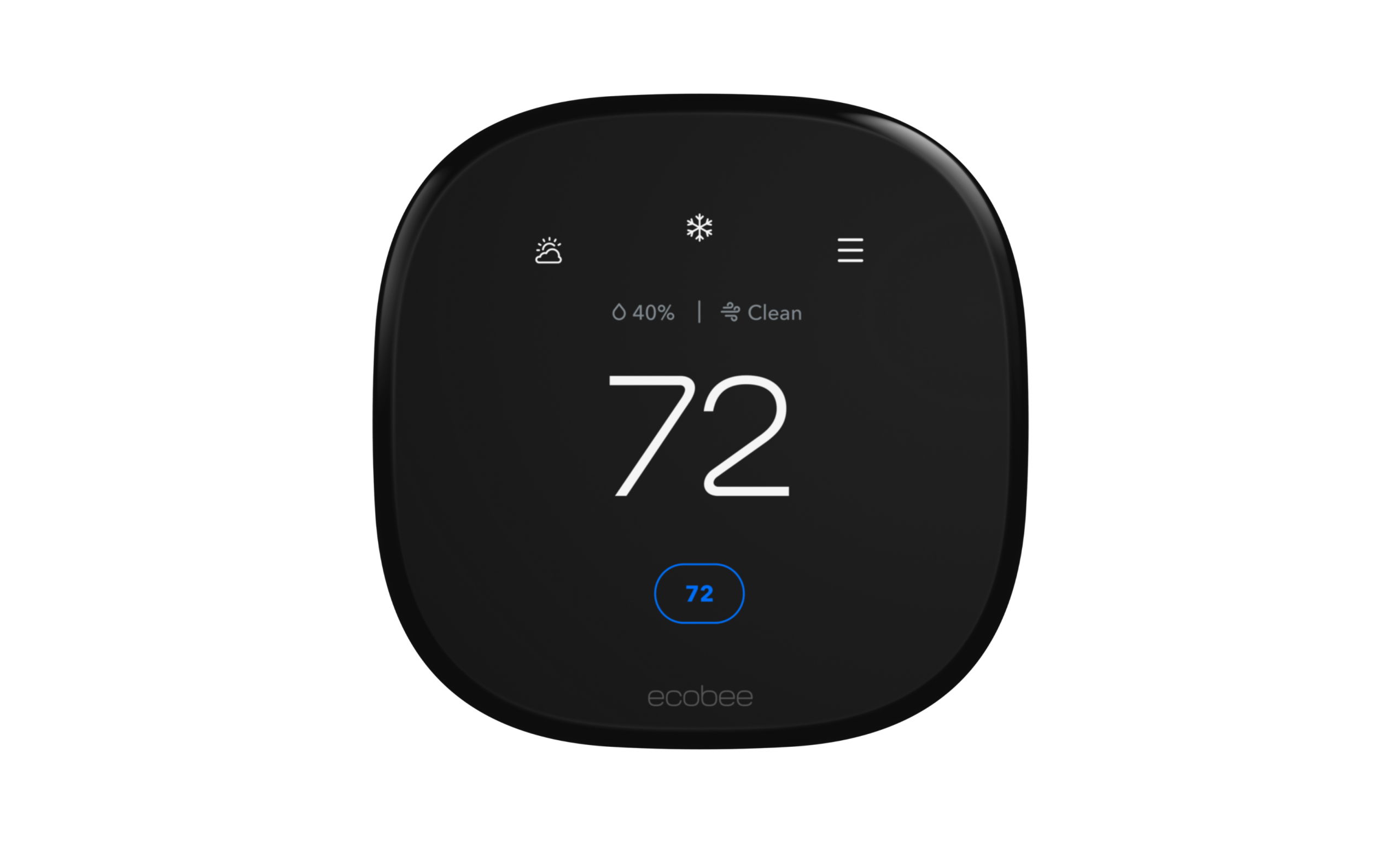
Image: manual
The ecobee Smart Thermostat Premium is the best money-saving pick for most homes because it treats comfort as a whole-home problem, not just a hallway temperature reading. Its remote sensor support is the main reason. If your thermostat is in a bad location, a sensor in the room you actually use can help reduce overcooling or overheating elsewhere.
The Premium model also adds a polished display, smart-home integrations, and air-quality awareness. Those extras are not the only reason to buy it, but they make the thermostat feel like a central home device rather than a basic wall control. For people who want granular control, ecobee is easier to tune than a set-it-and-forget-it thermostat.
Drawbacks: it is usually one of the more expensive options before rebates, and setup has more knobs to adjust than simpler models. If you want the thermostat to learn everything automatically with minimal app tuning, Nest may feel easier.
Best Learning Thermostat: Google Nest Learning Thermostat 4th Gen
Best Premium Google Nest Learning Thermostat 4th Gen
Use-Case Evaluation: Best for people who want a sleek thermostat that can learn routines over time and look good in a visible hallway or living room.
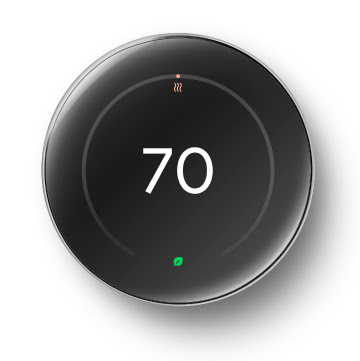
Image: manual
The Google Nest Learning Thermostat 4th Gen is the best choice if you want the thermostat to do more of the thinking for you. Nest’s main appeal has always been learning behavior: adjust the temperature, leave the house, come back, and the thermostat gradually builds a schedule around real use.
That approach can help people who never liked programming a thermostat. Instead of building a perfect schedule on day one, you can let the thermostat adapt and then fine-tune. It also has one of the cleanest physical designs in the category, which matters if the thermostat sits in a very visible spot.
Drawbacks: learning features are not magic. If several people in the house have inconsistent routines, you may still need manual schedule edits. Some HVAC systems may also need extra compatibility checking, especially older wiring setups.
Best Room-Sensor Value: Honeywell Home T9 Smart Thermostat
Best Budget Honeywell Home T9 Smart Thermostat
Use-Case Evaluation: Best for buyers who want remote room sensing and practical HVAC control from a familiar thermostat brand, especially when it is discounted or bundled with a sensor.
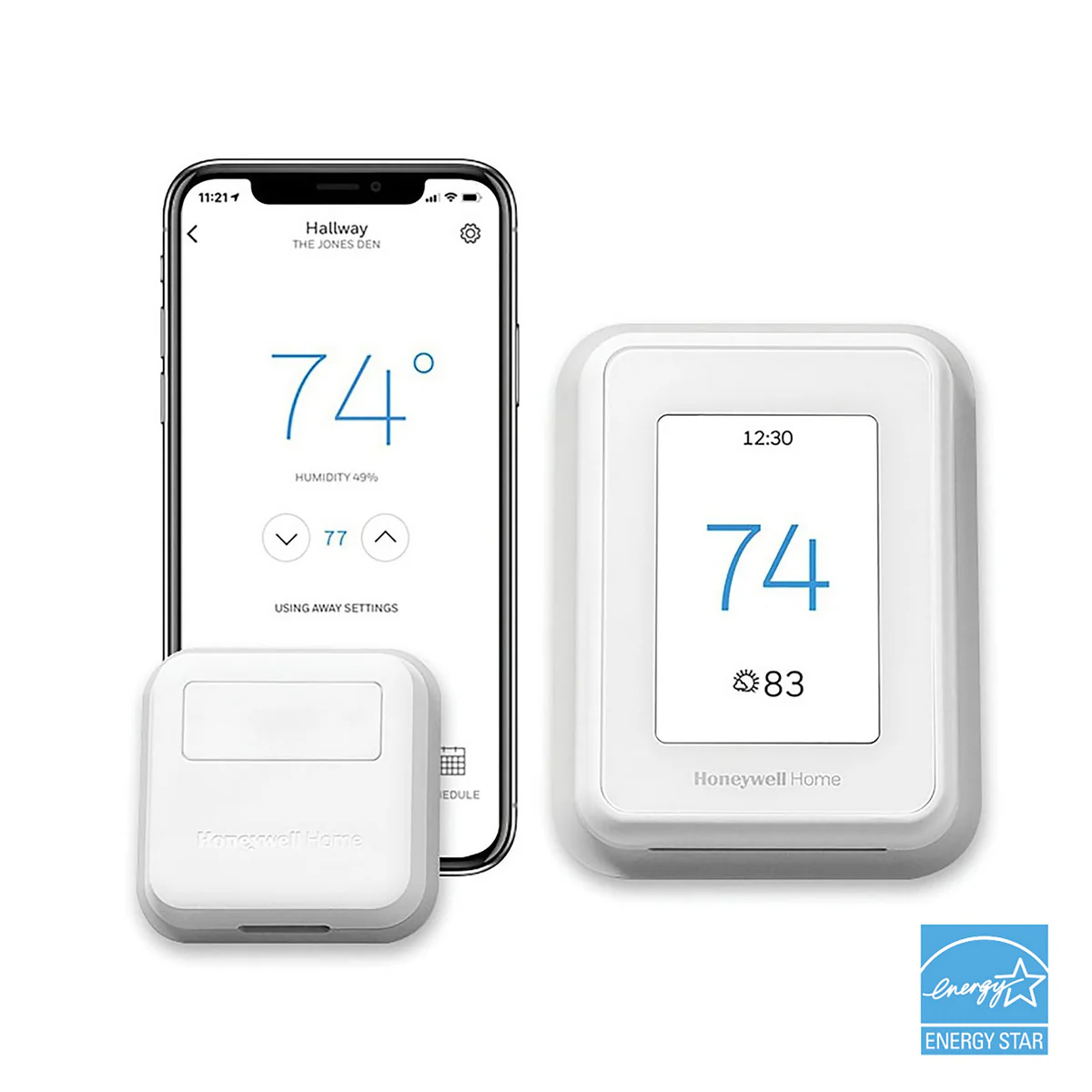
Image: manual
The Honeywell Home T9 Smart Thermostat is a good value-minded alternative if you care about room sensors but do not need the most premium design. Honeywell Home has a long thermostat history, and the T9 focuses on a practical idea: control the rooms that matter instead of trusting one wall location.
That can be useful in homes where the bedroom is too warm at night or the home office gets cold during the day. If the current price is meaningfully lower than ecobee or Nest after rebates, the T9 can be the smarter money-saving buy.
Drawbacks: the app and interface feel more functional than luxurious, and smart-home polish is not as strong as the more expensive picks. If you want a thermostat that doubles as a design object, Nest or ecobee will look better.
Comparison Table
| Smart Thermostat | Best For | Key Saving Feature | Main Strength | Main Trade-Off |
|---|---|---|---|---|
| ecobee Smart Thermostat Premium | Most homes with uneven rooms | Remote sensors and smart schedules | Flexible whole-home control | Usually costs more |
| Google Nest Learning Thermostat 4th Gen | Low-effort routine learning | Learning schedule and away modes | Elegant design and automation | May still need tuning |
| Honeywell Home T9 | Sensor value buyers | Room-focused control | Practical sensor support | Less premium interface |
How Smart Thermostats Actually Save Money
The biggest savings usually come from avoiding wasted runtime. A thermostat that sets back heating while you are away, reduces cooling when nobody is home, or avoids over-conditioning unused rooms can lower energy use without much lifestyle change.
Schedules matter. If your family wakes up, leaves, returns, and sleeps at predictable times, a good schedule can do a lot. If your routine changes constantly, occupancy and geofencing features become more important.
Room sensors can prevent bad decisions. If the thermostat is in a sunny hallway, it may think the house is warmer than it really is. If it is near a draft, it may overheat the house. Remote sensors help the system respond to the rooms people actually use.
Rebates can change the math. Many utilities discount smart thermostats or offer seasonal energy programs. Check your local utility before paying full price.
What We Like
- ecobee Smart Thermostat Premium gives the best balance of room sensing, scheduling, alerts, and smart-home flexibility.
- Google Nest Learning Thermostat 4th Gen is the easiest premium pick for people who want automation and a cleaner wall design.
- Honeywell Home T9 keeps room-sensor control accessible when sale pricing and rebates line up.
What We Don’t
- Smart thermostats can disappoint if your HVAC system or wiring is not compatible.
- Energy savings vary by climate, home insulation, utility rates, and household habits.
- The most expensive thermostat is not always the best value after local rebates.
FAQ
Can a smart thermostat really lower my energy bill?
Yes, but savings vary. The biggest gains usually come from better schedules, away modes, and avoiding heating or cooling an empty home. A well-programmed older thermostat may save less from an upgrade than a thermostat that is never adjusted.
Do I need a C-wire?
Many smart thermostats work best with a C-wire or included power adapter. Always check compatibility before buying. If your wiring is older or unusual, professional installation may be worth it.
Are room sensors worth it?
They can be very useful if your home has uneven rooms. A sensor in a bedroom, nursery, or office can help the thermostat respond to the room you actually care about instead of only the hallway.
Which smart thermostat is best for renters?
Renters should ask permission before replacing a thermostat and keep the original hardware. A simpler model with easy uninstall may make more sense than a premium thermostat if you plan to move soon.
Final Verdict
For most people trying to save money, the ecobee Smart Thermostat Premium is the strongest choice because its remote sensors and flexible scheduling solve real comfort problems. The Google Nest Learning Thermostat 4th Gen is better if you want a premium design and more automatic learning. The Honeywell Home T9 is the value pick when you want room sensors and can catch a good discount.
Before buying, check current price, HVAC compatibility, and utility rebates. The best smart thermostat deal is often the one that fits your wiring and gets a local rebate.
References
- ecobee Smart Thermostat Premium official product page: https://www.ecobee.com/en-us/smart-thermostats/smart-thermostat-premium/
- Google Nest Learning Thermostat 4th Gen official product page: https://store.google.com/product/nest_learning_thermostat_4th_gen
- Honeywell Home T9 Smart Thermostat official product page: https://www.honeywellhome.com/products/t9-smart-thermostat
- ENERGY STAR smart thermostat guidance: https://www.energystar.gov/products/smart_thermostats
GearLab recommendations are based on product specs, buyer-use cases, drawbacks, and real-world setup notes. Affiliate links do not change our picks.
As an Amazon Associate, we earn from qualifying purchases. Product prices and availability are accurate as of the date/time indicated and are subject to change.